
Long-term ownership · Founder succession
Acquiring and BuildingGreat British Businesses.
You have spent years building a company and may now be thinking about what comes next. Who will take care of your employees, your customers and, most importantly, the reputation you have built?
That’s what Coningsby was designed for. I am looking to acquire one established UK business and become its long-term owner.
The real question
The hardest part of succession isn’t always deciding whether to sell.
For many owners, the harder question is deciding who to sell to.
You’ve spent years building relationships. Your employees know you. Your customers trust you. Your suppliers know how you work. Your reputation has taken years to establish.
A buyer can put a price on the business. But they can’t put a price on all of that.
That’s why I believe the right transition needs to be about more than the transaction. It needs to be about finding the right person to take responsibility for what you’ve built.
How I think about succession
The best transitions are closer to an apprenticeship than a transaction.
You know the business.
I want to learn it.
You know the people.
I want to earn their trust.
You know what makes the company work.
I want to understand why.
01
Learn before changing
The first responsibility of a new owner should be understanding what already works. That means spending time with the owner, the team, customers and suppliers before deciding what should change.
02
Earn the trust
Ownership is more than signing the documents. It means earning the confidence of the people who have spent years building the company alongside you.
03
Understand the story
Every established business has its own history, relationships and ways of doing things. Understanding that history matters when deciding where the business goes next.
04
Take responsibility
The objective isn’t to remain an apprentice forever. It is to learn enough, build enough trust and take enough responsibility that the owner can genuinely step back knowing the business is in good hands.
The kind of buyer I want to be
Think of it as a surrogate successor.
The idea is simple.
If you had spent 25 years building a company, wouldn’t you rather hand it to someone who wanted to learn from you than someone who simply wanted to acquire it?
Someone who is capable, but humble enough to listen. Someone with the energy to take it forward. Someone who genuinely cares about what happens to the people and reputation you’ve built.
The aim is to become the person you can hand the business to with confidence.
What I’m looking for
The numbers matter. They aren’t the starting point.
I’m interested in established businesses with strong customer relationships, capable people, repeat demand and a reputation worth protecting.
- Indicative enterprise value
- £3–30m
- An indicative acquisition range, considered in the context of the individual business and transaction.
- Sustainable EBITDA
- £1–3m
- Earnings supported by a sound underlying operation and capable independent management.
- Geography
- UK
- South West and South Central England are the initial focus, with flexibility for exceptional businesses elsewhere in the UK.
- Long-term ownership
- One
- One acquisition. One controlling investment. A commitment to operating and building the business for the long term.
Particularly interested in founder-led businesses where an owner is considering retirement, succession or a change in role. Not looking for distressed situations, property plays or businesses requiring a fundamental turnaround. The objective is to find something good that deserves to continue.
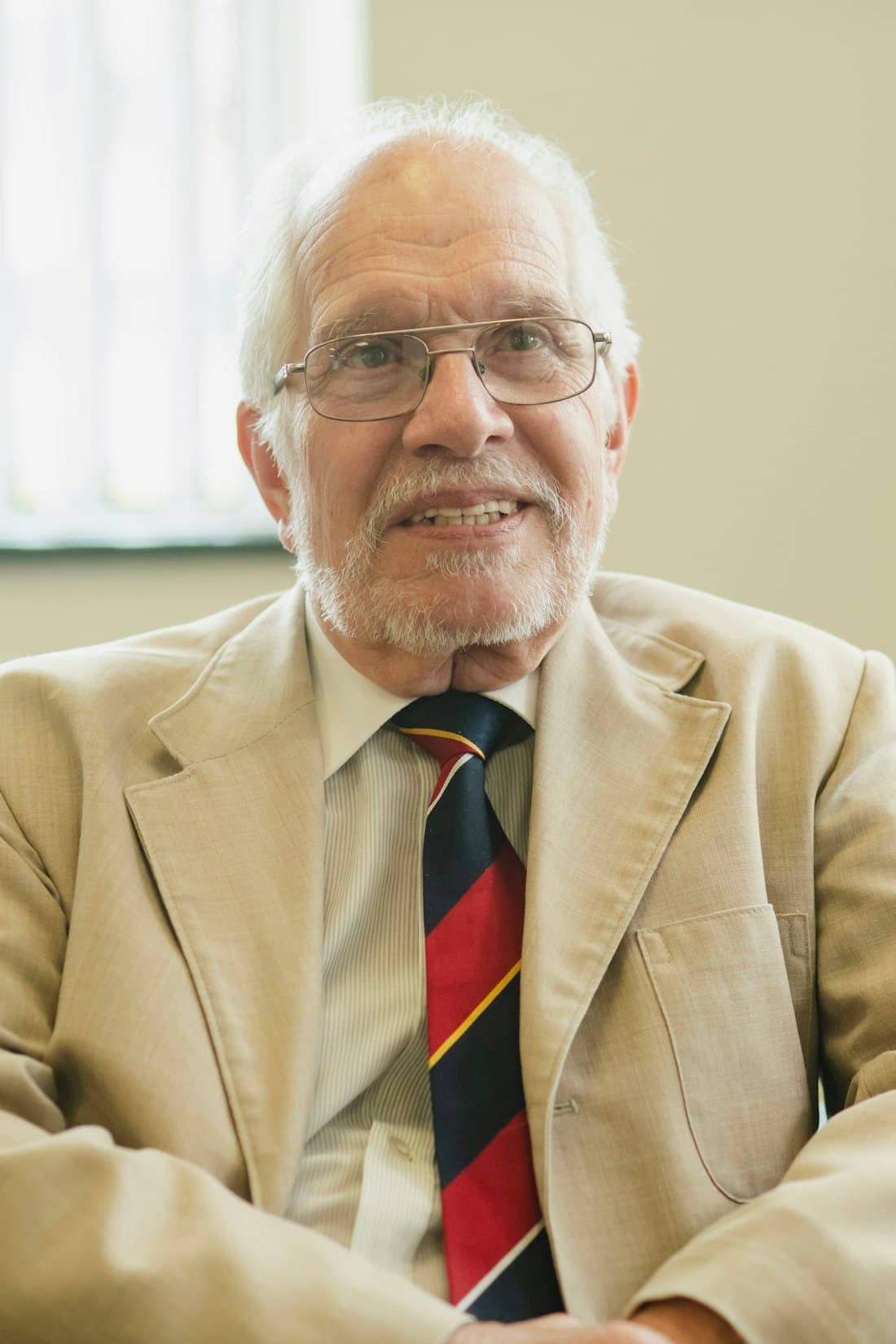
The long-term view
Taking the baton.
I want Coningsby to be a different kind of buyer. The objective is not to buy a business, make a few changes and look for the next buyer.
It is to become the owner. To learn the business. To know the people. To understand the customers. And, over time, to build on what is already there.
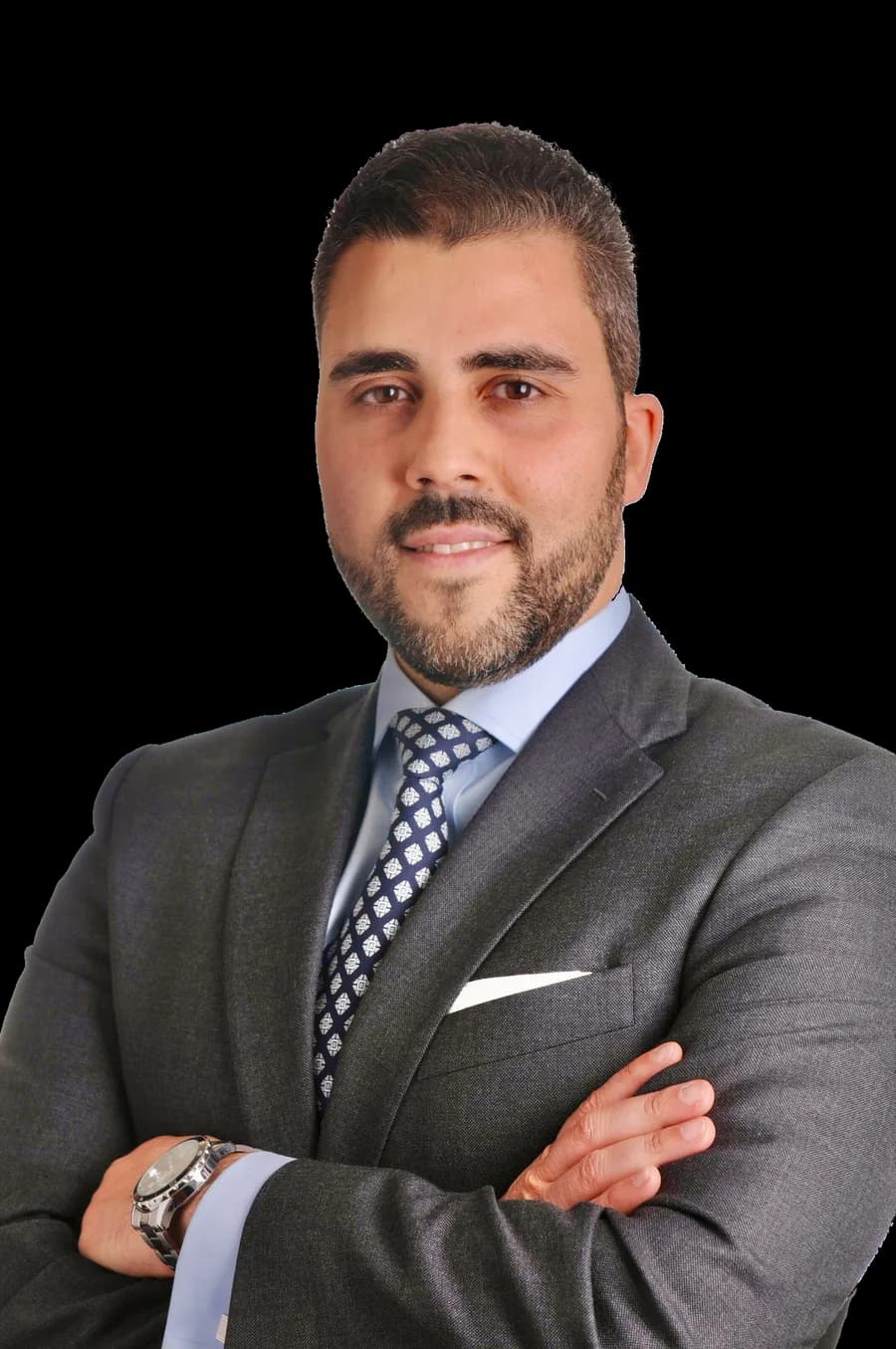
Meet Adam
Adam
Founder & Principal
I grew up not far from Croydon. My dad was a taxi driver and I was the first person in my family to go to university.
I worked throughout university — including as a waiter and running a nightclub business to help pay for my tuition. It wasn’t a conventional route into business, but it taught me something I’ve carried with me ever since: if you want something, you have to be prepared to work for it.
My career subsequently took me into advising privately owned businesses and families. At PwC, I worked with owners on tax, investment and succession issues. I also spent time with Citi’s Family Office team, where conversations often went beyond finance into questions of succession, legacy and what happens to something a family has spent years building.
I’ve also worked alongside family-owned businesses much closer to the coalface — seeing the reality of running a company, managing people, serving customers and trying to build something that lasts.
Over time, I realised something. The part I found most interesting wasn’t the transaction. It was the owner.
The person who had built the business. The people who depended on it. The customers who had trusted them. And the question of what happens when the owner is ready for something different.
I’ve spent years advising people around these decisions. Now I want to take responsibility for one myself.
Energy, resilience, curiosity and a genuine willingness to get stuck in — combined with the experience to understand the decisions that come with succession.
A few practical questions
It starts with understanding.
Do I need to be ready to sell?
No. You may simply be starting to think about succession, retirement or a different role. You don’t need a valuation or a fixed plan to begin a conversation.
Could I stay involved in the business?
I want to learn from the person who knows the business best. Your future role and the pace of a transition are things we would explore together, taking account of what you want and what the business needs.
What matters to you about the team?
The people, knowledge and relationships are a large part of what makes an established business valuable. My approach starts with listening to the team and understanding what already works before deciding what should change.
Is this a confidential conversation?
The intention is a private, principal-to-principal conversation. We can discuss confidentiality arrangements before you share sensitive business information. You don’t need to send detailed financial documents to make an introduction.
Can an adviser make an introduction?
Yes. If you advise an owner whose business may be a fit, please email Adam with a brief introduction. The indicative criteria above are a useful starting point for that conversation.
Start a conversation
Thinking about what comes next?
You don’t need to be ready to sell. You don’t need a valuation. And you don’t need to have worked out exactly what the transition should look like. I’d simply like to hear about the business, understand what you’ve built and learn what has prompted you to start thinking about the future.
Tell me briefly about the business, where you’re based and what has prompted you to consider a conversation. There is no formal process to start with. I’ll get back to you directly.